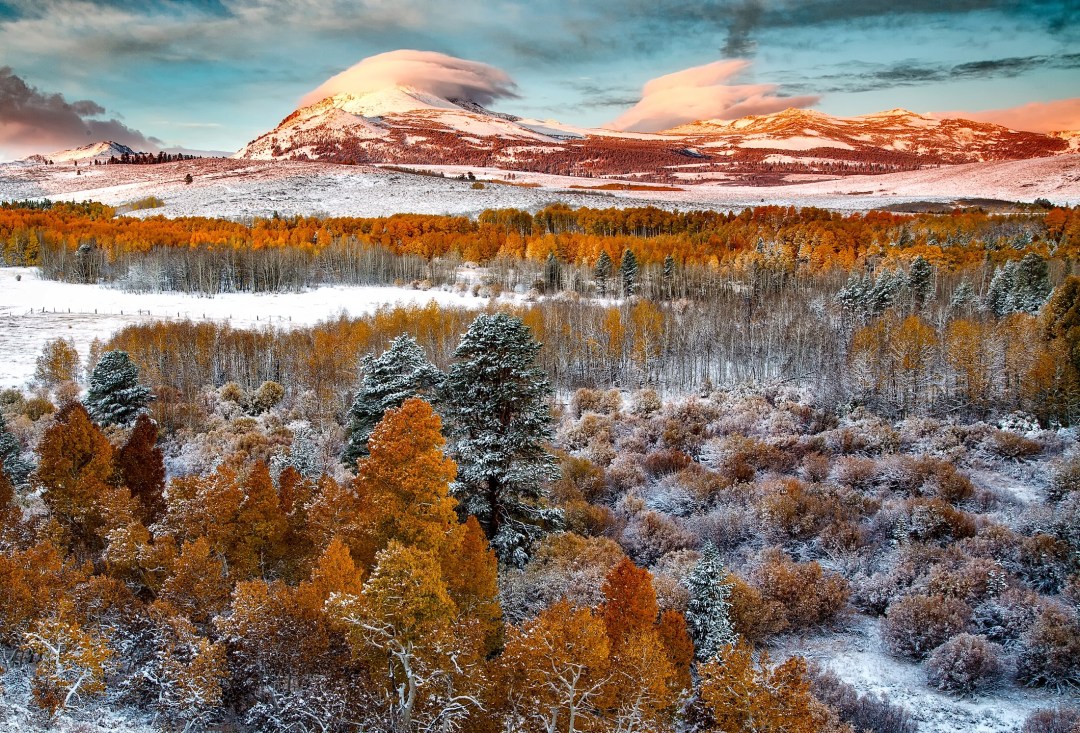
Happy Autumn / Psŷksi Onẹ́a! It’s time for another review of Finngreek phrases*. Éla!
++++
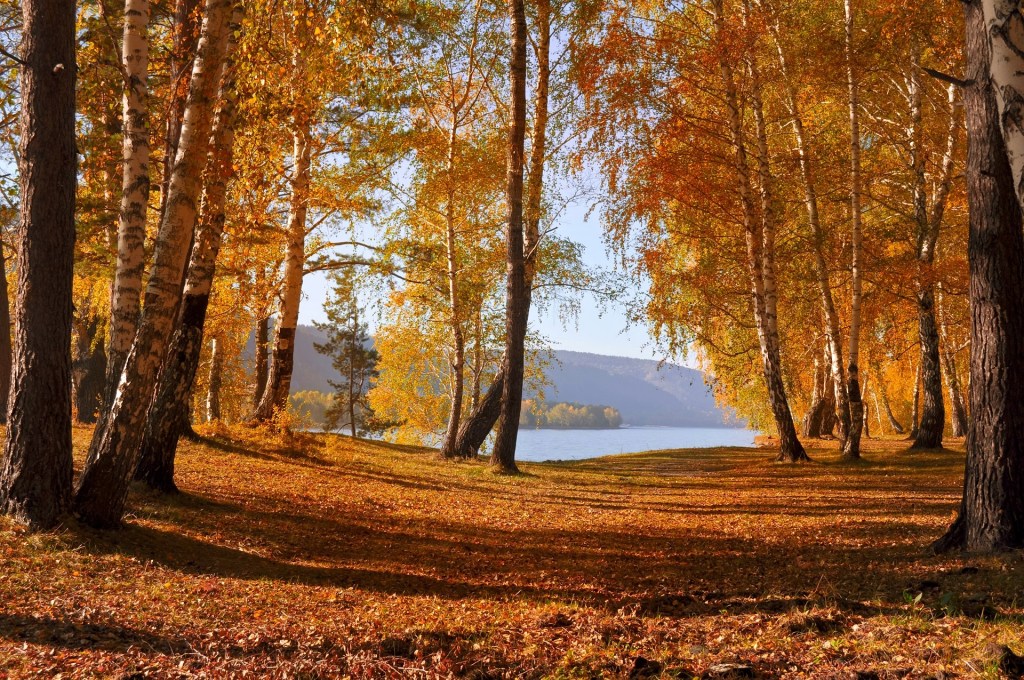
psŷksi onẹ́a
syksy onnea
ψῦξη ονεία
happy autumn (Finnish)
psŷkhos orgáda kuklệ
*sügüs *orkoda *kulkë
syys orkoa kulkee
ψῦχος οργάδα κυκλεῖ
autumn wind travels the glen (Proto-Finnic + Finnish)

krymós págos katékhẹ ton áron
kylmä pakkanen kätkee ton aron
κρυμός πάγος κατέχει τον άρον
cold frost covers the flood meadow (Finnish)
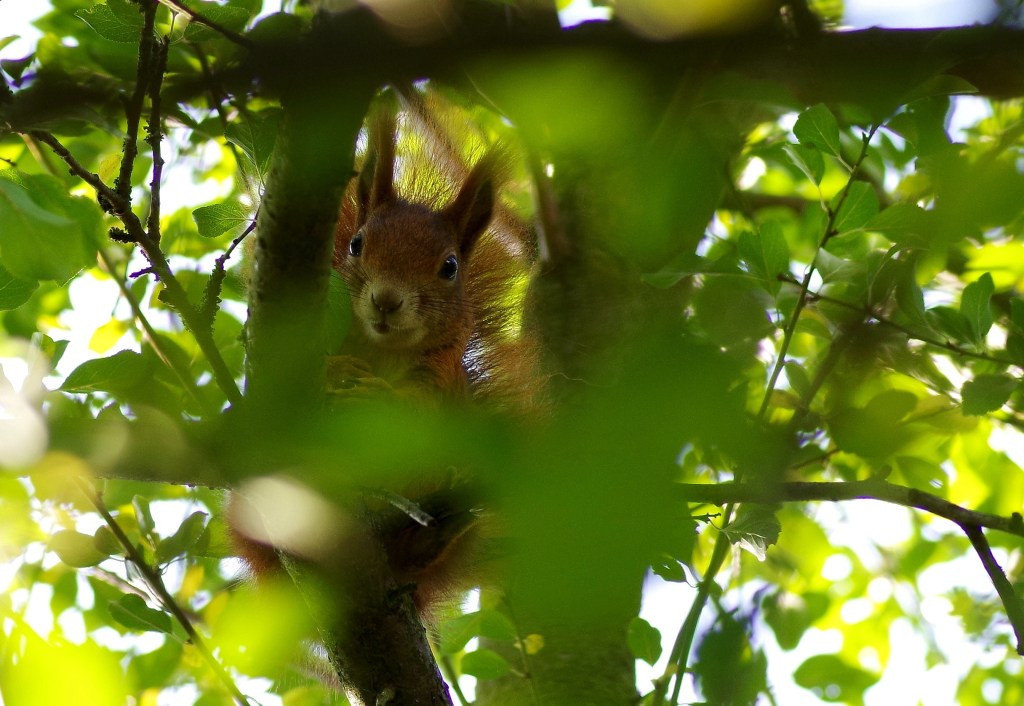
toímæ ourǽ katékhetæ̣
toimiva orava kätketään
(ε)τοίμη ουρά κατέχεται
an active squirrel is concealed (Finnish)

rothízẹ kokkía
rutisee kukkia
ροθίζει κοκκία
it crunches pinecone seeds (Finnish)

siōpǽ thúella
šəp tul / шып тул
σιωπή θύελλα
a calm storm (Mari)

moûsa várkaze ásēmon mûthon siōpéste
múžo várgəže asáməm mútəm šə́pəšte
му́жо ва́ргыже аса́мым му́тым шы́пыште
μοῦσα βάρκαζε άσημον μῦθον στη σιωπή
the spirit cried out nonsensical words in the silence (Mari)

phúlla-sýrka oukí
pulá-šǘrgö uké / пула́-шӱ́ргӧ уке́
φύλλα-σύρκα ουκί
it is not a tumshie head (“turnip-face”) (Mari)
lían arvá
liian harva
λίαν αρβά
too few (Finnic => Greek)

diáge póron ókhthæs muskhæ̂s
*jakka- *pora *uktə *mučka
διάγε πόρον όχθης μυσχῆς
cross the bridge on the banks of the riverbend (Proto-Uralic)
—-
*As a reminder, the Finngreek language is constructed with a grammar that mimics the ancient and modern Uralic and Greek languages, in order to facilitate mutual intelligibility. The Uralic and Greek translations are only meant to be used as source guides, as they may or may not reflect the correct grammars of these respective languages (e.g. Finnish, Mari, modern Greek). Although Finngreek is based on the etymological research of Helleno-Uralic theory, Finngreek phrases are not reconstructions of the natural “Gelonian” Greek dialect that would have been in contact with Archaic Uralic. Gelonian Greek may have originated from the Ionic-Aeolic sprachbund, but there are no written records to attest its morphology and syntax.
 Finngreek