Helleno-Uralic theory refers primarily to my original etymological research of the Hellenic and Uralic language families, specifically regarding proposed ancient Greek loans into some of the Uralic proto-languages.
BACKGROUND The premise of Helleno-Uralic contact is that ancient Greek and Uralic speakers would have lived in the same zone near the confluence of the Volga and Kama rivers (present-day Tatarstan, Russia). The Greeks in question would have most likely been the Gelonians/Geloni/Gelōnoí/Γελωνοί, described in Book 4 of Herodotus’ Histories (available on Wikisource in English and the original Greek). The Gelonians are reported to have originated from the northern Black Sea during the Archaic period of Greek history, when colonists and traders from the Aegean began forming various settlements on the coast (e.g. Olbia, Taganrog) from the 8th or 7th century BCE onward. Based on Herodotus’ description of the Gelonian’s whereabouts (east of the Tanais/Don river into the Sarmatian steppe, then 15 days north into the forest zone by a large body of water), I have approximated their primary city of Gelonus/Gelōnós/Γελωνός to somewhere on the right bank of the Volga – perhaps anywhere from the Volga-Sura confluence to the Volga-Kama confluence. Unfortunately, Herodotus reported that the wooden city of Gelonus was burned to the ground by the Persians, due to the Gelonian’s military support of the Scythians. Gelonus was located in the large and populous nation of the Budini/Boudînoi/Βουδῖνοι; and the agricultural Geloni and nomadic Budini shared the city. Northeast of the Budini nation, other groups were also described: The Thyssagetae (for which no description is provided); the Iyrcae/Iúrkai/Ιύρκαι, who hunted in the forest with the help of a horse and a dog; and finally the Argippaeans/Argippaîoi/Αργιππαῖοι, who were peaceful and bald men and women living under “Pontic” trees (prob. the bird-cherry: Prunus padus), at the foothills of mountains.
The Uralic speakers in question lack a definitive historiographical background, but I have consulted the interdisciplinary evidence to likewise approximate their location to the Volga-Kama confluence during the Classical period of the Ananyino culture. As part of Helleno-Uralic theory, I propose that Proto-Uralic speakers would have migrated from the Lozva-Atlym culture on the Lower Ob to the Kama river, just before their linguistic diversification from ca. 800-500 BCE. I will not elaborate further on this proposal here, but more on this diversification model may be found in the draft “The synchronization of Iranic and Hellenic loanwords in Proto-Uralic (Response to Holopainen 2019)”. I will make an in-depth post about Proto-Uralic archaeology and archaeogenetics in the future.
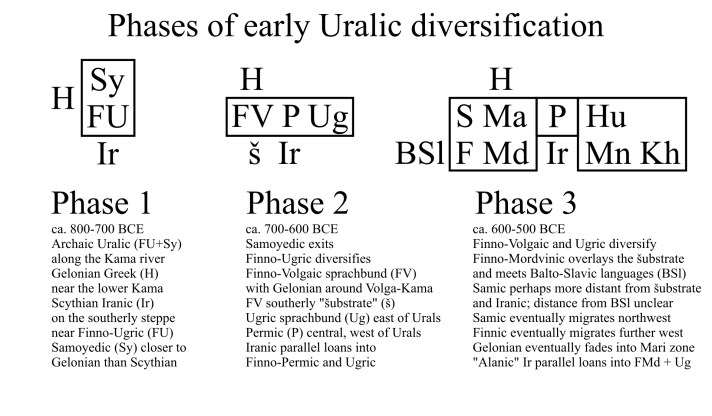
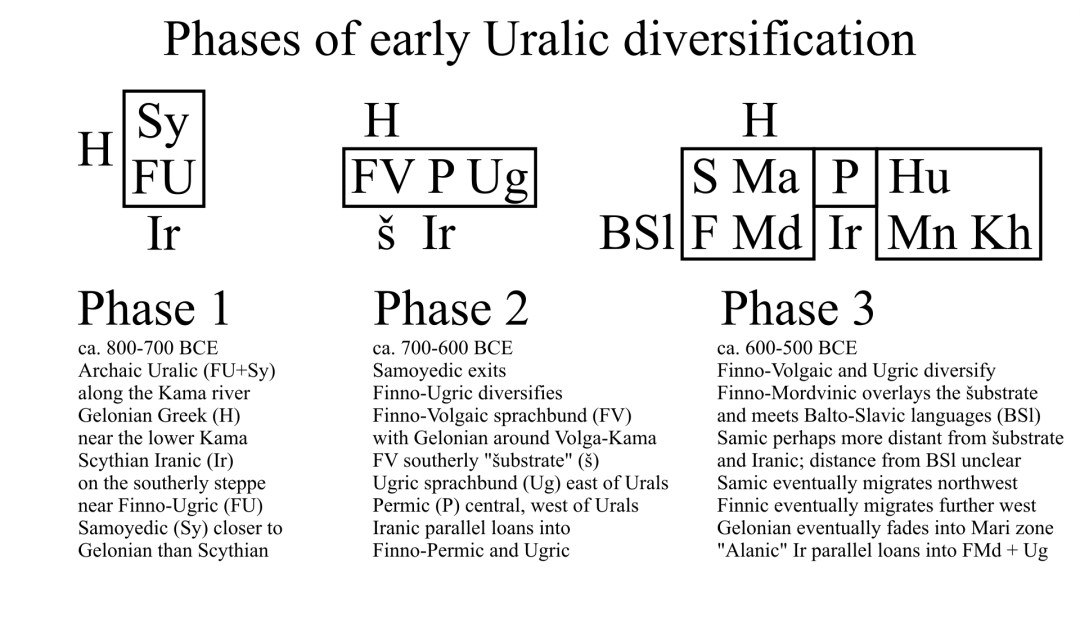
The following figure provides a brief overview of my working Helleno-Uralic diversification model:
ETYMOLOGY The primary evidence in support of Helleno-Uralic theory is its paradigmatic etymological research. The Hellenic loanword basis includes Finno-Ugric and even Samoyedic reflexes, with a semantic focus on riparian travel and contact (see e.g. “The oldest Greek loanwords in Proto-Uralic“). Other natural and cultural aspects of contact can also be lexically reconstructed, such as a secondary phase of loans into the Finno-Volgaic languages (see e.g. “Greek in the western Uralic sprachbund“). A full list of the current working lexicon, with linked sources, may be found here.
NOTE 1: Each category is alphabetized, and divided into two segments: The first segment is wider reflexes, and the second is lemmas limited to terminal branches. NOTE 2: The non-initial reduced vocalism may appear here as *-e, *-i, or *-ə. The mainstream view is that only one of these values should be used. If I had to choose only one, it would be *-ə – however, I am open to the possibility that *-i and even verbal *-e could be additionally possible in certain environments (honestly, I just like that this makes the comparanda look better superficially for my auxlang: I’ll probably change them all to *-ə at some point).
++++
Riparian features and travel terms: áros ‘flood meadow’ > FU *ara áza ‘dry land (along a stream)’ > FU *aća diáge- ‘to cross, pass’ > FU *jakka- elá- ‘to go, visit’ > U *elä- kuklé- ‘to travel (downstream), wander about’ > U *kulke- (DISPUTED) mḗlǣ ‘probe > paddle’ > FP *melä muskhǽ ‘bay, bend, corner, creek: riverbend’ > U *mučka ókhtha ‘riverbank > land route between water routes’ > U *uktə orgás ‘fertile meadow in a forested river-valley’ > FU *orka; Ma орга́ж póros ‘bridge, ferry, river passage’ > FU *pora skáphǣ ‘dugout canoe’ > FU *kappə ~ Ug *kʌppə vênos ‘boat’ > WU *wenəš —- nâma ‘foreland’ > F *nämə >> niemi (e)pholkǣ́ ‘small towed vessel’ > F *pulkka (UNCERTAIN)
Plants and animals: dôma ‘house > bird-cherry tree’ > U *d’ʌmə khórtos ‘fodder, grass’ > FV *korttəš >> F korte maîa ‘midwife > beaver’ > FP *maja móron ‘blackberry > cloudberry’ > U *mura (UNCERTAIN) ourǣ́ ‘tail > squirrel’ > U *ora phoítǣ ‘mad roamer > ermine’ > U *pojta phúskǣ ‘animal guts’ > U *pučkV psúros ‘?weever > pike’ > FU *ćurə sargíon ‘type of schooling fish > roach’ > FU *särki thaimós ‘seedling’ > FV *taiməš thallós ‘herbage’ > FV *tälləš —- kíssa ‘type of bird with blue wings’ > Ma киса́ kókkos ‘conifer cone, conifer nut, strobilus’ > F *kukka lókhos ‘horse (that lies in wait for ambush)’ > Ug *lox (UNCERTAIN) phúlla ‘type of leafy green > turnip’ > Ma пула́ phullís ‘type of leafy green > cow parsley’ > Ma пуле́ж vátos ‘blackberry, raspberry’ > F *vat(t)a (vattu)
(NOTE: Helleno-Uralic theory has not yet been formally published or peer-reviewed, although that is the eventual plan: I am just waiting on 1. An updated Uralic etymological dictionary, and 2. Archaeogenetic samples from the Lozva-Atlym and Gamayun cultures, in order to provide a more decisive conclusion about how Hellenic and Uralic would have interacted.)
For the past 5 years, I have been on the Finngreek journey – gaining an education in Uralic historical linguistics and anthropology, developing Helleno-Uralic theory, and drafting what will eventually be my debut paper on the topic.
My original plan was to publish this paper as soon as possible, but the scale at which I wish to present this theory will require more time and effort – not only on my part, but also on the part of other authors in the field to continue their research. The 2020s have been revolutionary in Uralic historical studies: After decades of authors proposing their original views (and others building on those views), the past 5 years have been a boon in critical responses, which have reshaped the field to its current state of taxonomical agnosticism and problematic diachrony. Traditional and alternative taxonomical views (e.g. Finno-Ugric, Finno-Samic, West Uralic, East Uralic, Ugric) have been rejected in favor of the nondescript Comb model, i.e. 9 unique branches without any definitive exclusive relations to each other (I do, however, support an exclusive Finno-Mordvinic affinity, which has not yet been formally discredited). Meanwhile, we continue to wait for an updated Uralic etymological dictionary: The last one by Karoly Redei is now 40 years old, and often obsolete. The publication of a new etymological dictionary, such as the one in progress by Ante Aikio, will allow for me to continue my work in alignment with a current, comprehensive, and mainstream view of the Proto-Uralic lexicon.
The potential archaeogenetic factor of Proto-Uralic expansion, in comparison with my cultural model of Uralic diversification from the Lozva-Atlym culture into the Ananyino horizon via Gamayun-Itkul migrations, is also in critical need of more data. The suggestion of the arrival of Proto-Uralic speakers to the Urals from Yakutia (see Zeng et al. 2025, Grunthal et al. 2022) does not elaborate on any intermediate phases of Proto-Uralic from its alleged expansion through the Seima-Turbino Phenomenon into its terminal branches; and there are also zero samples from the Lozva-Atlym or Gamayun cultures to support or refute their presumed demographic influence on the Ananyino culture. With only one sample from the Itkul culture available thus far, a huge question mark is left looming over the Urals region in regards to when, where, and how the Uralic proto-language(s) diversified. Since the most current mainstream views on the linguistic and archaeogenetic factors of Proto-Uralic are inconclusive, I have to wait for these matters to be resolved (or at least improved) before I can then present my own conclusions. While I continue to reason that Atlym > Ananyino is the most attractive option for Archaic Uralic expansion from the upper Kama, and thereby for Helleno-Uralic contact on the lower Kama ca. 800-500 BCE, I still need a complex of relevant archaeogenetic samples and diachronic taxonomy in order to support my findings. Until then, anything I propose beyond the Helleno-Uralic etymologies can only be viewed as speculative.
For now, I think it would be a good idea to let the current state of Helleno-Uralic research marinate for a few years while awaiting further advancements in Uralic historical studies. In the meantime, any updates to Finngreek will no longer be discussed in quarterly summaries, but as impromptu posts whenever a topic is important enough to merit discussion. I will also be focusing on unrelated projects during this time, since I already prioritized the past 5 years to work on Finngreek. Hopefully in the next 5 years, there will be enough progress by Uralic researchers to allow me to make those necessary conclusions about Helleno-Uralic theory.
It is nice to take a break when the journey lasts a lifetime. Éla muskhǽn…
siōpǽ thúella šəp tul / шып тул σιωπή θύελλα a calm storm (Mari)
moûsa várkaze ásēmon mûthon siōpéste múžo várgəže asáməm mútəm šə́pəšte му́жо ва́ргыже аса́мым му́тым шы́пыште μοῦσα βάρκαζε άσημον μῦθον στη σιωπή the spirit cried out nonsensical words in the silence (Mari)
phúlla-sýrka oukí pulá-šǘrgö uké / пула́-шӱ́ргӧ уке́ φύλλα-σύρκα ουκί it is not a tumshie head (“turnip-face”) (Mari)
lían arvá liian harva λίαν αρβά too few (Finnic => Greek)
diáge póron ókhthæs muskhæ̂s *jakka- *pora *uktə *mučka διάγε πόρον όχθης μυσχῆς cross the bridge on the banks of the riverbend (Proto-Uralic)
—-
*As a reminder, the Finngreek language is constructed with a grammar that mimics the ancient and modern Uralic and Greek languages, in order to facilitate mutual intelligibility. The Uralic and Greek translations are only meant to be used as source guides, as they may or may not reflect the correct grammars of these respective languages (e.g. Finnish, Mari, modern Greek). Although Finngreek is based on the etymological research of Helleno-Uralic theory, Finngreek phrases are not reconstructions of the natural “Gelonian” Greek dialect that would have been in contact with Archaic Uralic. Gelonian Greek may have originated from the Ionic-Aeolic sprachbund, but there are no written records to attest its morphology and syntax.
I have removed about 50 Helleno-Uralic etyma from the working lexicon, in order to speed up the process of publishing my first paper. I plan to revisit these etyma in future research, but they present unique or difficult phonological scenes that can not be regularized at this time.
In the meantime, I have discovered another phonological scene, which has allowed me to propose several new etyma: H ks-, ps- > U *ts’- / *ć-. In addition to the established substitution H z /dz/ > U *ć, it appears that both H ks- and ps- were regularly substituted by the same Uralic phoneme, due to a restriction on initial consonant clusters in Proto-Uralic phonotactics.
Now, let’s check out the latest Helleno-Uralic etyma. Éla!
++++
diáge- ‘to cross, pass’ H διάγω to carry across, cross over; cause to continue, continue; pass (of time)’ (LSJ) > FU *jakka- ‘to go, get to’ (UEW)
Cf. Md. ‘to go, wander’, Old Hu. ‘to let arrive’. The causative semantics of Hungarian iktat- must be attributed to its causative suffix -tat: So this value can not be factored into HFU diáge-, despite its additional attestation as a causative verb.
This etymon was probably originally a travel term associated with crossing a river (cf. HFU póros ‘bridge, ferry, river passage’), as it was used by e.g. Homer and Xenophon to refer to ferry transport.
diakhé- ‘to butcher, cut up, divide, separate’ H διαχέω ‘to cut up a victim into joints, disperse, dissolve, pour different ways, scatter’ (LSJ), ‘to divide, separate / разделять’ (RD) > U *jaka- ‘to divide, separate, share’ (UEW)
Cf. F ‘to apportion, divide’, S ‘to apportion, divide’, Md. ‘to detach, divide, separate; solve’, P ‘to cut, distribute, divide, take apart’, Mn. ‘border of the back of the head and neck’, Sy. ‘to cut up bird, fish, or reindeer for cooking’. Kamassian ‘to crumble’ might also be compared with H ‘to dissolve’, if not rather a secondary semantic development due to its limited distribution.
Samoyedic may best preserve an original primary meaning ‘to cut up (meat)’: In Book 3 of Homer’s Odyssey, the aorist form διέχευαν is used to describe the dividing of a slaughtered cow into its joints for a communal feast.
(é)ksodos ‘military expedition > war’ H ἔξοδος ‘marching out, military expedition’ (LSJ) > U *ćoδ́a ‘war’ (Aikio forthcoming)
The H aphaeresis of related terms is found in e.g. ξόδεμα, ξοδεύω, and ξόδι (GML), although this is not attested for modern Greek έξοδος, where stress has preserved the initial vocalism.
Historiographical evidence for Helleno-Uralic participation in warfare is found in Histories, where Herodotus discusses that the Budini and Geloni joined the Scythians in their defensive war against the Persians.
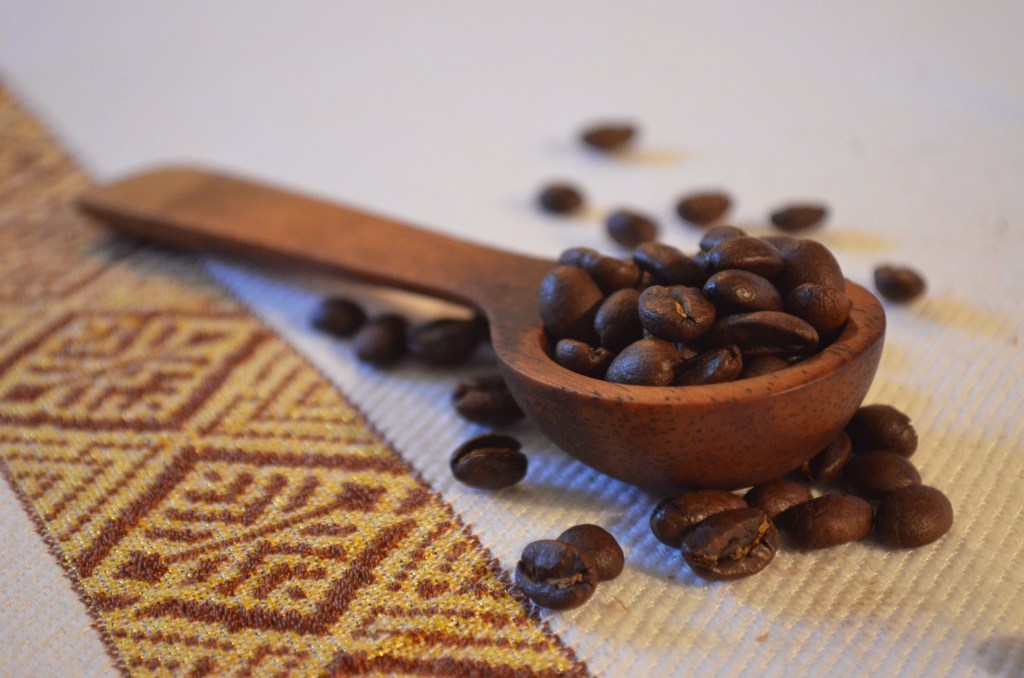
ksúlon ‘wooden spoon’ H ξύλον ‘piece of wood; spoon (made of fig wood)’ (LSJ) > U *ćulə ~ *śulɜ ‘vessel’ (UEW)
Cf. Es. ‘trough’; P ‘long, round, small wooden trough into which… flour is sifted’, ‘long bowl’; Sy. ‘spoon’, ‘trough-like vessel’.
H ξύλον has been attested with many semantic values which stem from a meaning ‘wood’, including ‘beam, log, piece of wood, post, stake, timber; bench, table; collar, gallows, stocks’, and others. It is clear that ξύλον was a productive term to refer to wooden materials, such as ‘(wooden) spoon’ in the Greater Hippias of Plato. This text also uses the word τορύνη ‘ladle’ (FEG) in the same comparison of a golden versus wooden spoon for soup. The value ‘ladle’ may help to bridge the semantic range of U ‘trough’, ‘bowl’, and ‘spoon’.
From the Classical Greek value ‘ladle, spoon’, it may be inferred that this meaning already existed in the Gelonian dialect. In this sense, the Samoyedic branch would best reflect the original semantics, with a secondary development in Finno-Permic to ‘trough’. However, it may instead be that ‘trough’ had already developed in Gelonian Greek, given the wide array of meanings that can be assigned to H ξύλον; and that Enets likewise attests ‘trough-like vessel’ – although this value is found neither in Selkup nor Nganasan, which do not form an exclusive taxonomic grouping.
The testes of beavers were used as a medical treatment for conditions of the womb from as early as the time of Herodotus, who described their usage by the Geloni and Budini for this purpose. Later Greco-Roman authors like Dioscorides and Pliny further discussed the usage of beaver testes as an emmenagogue and expellant of the embryo, fetus, or afterbirth (Rosa 2018: 8-11). Although these texts do not explicitly refer to childbirth, I reason that this medical treatment could have also been applied for the inducement or ease of labor. The naming of the beaver as a “midwife” would have been descriptive of its relevance in the aid of delivery, much as the squirrel (ourǣ́) was described by its tail, or the ermine (phoíta) by its frenzied dance.
ókhtha ~ ókhthǣ ~ ókhthos ‘riverbank > land route along a river’ H ὄχθα ‘river-bank, sea-cliff’ (ES) ~ ὄχθη ‘bank of a river’ (LSJ), ‘raised banks of a river’ (ML) ~ ὄχθος ‘bank, hill’ (LSJ) > U *uktə ~ *ukti ‘passage, way’ (Aikio forthcoming) ~ *utka ‘track, trail’ (UEW)
Cf. F (*uktV- >) ‘component of hydronyms connected with narrow land passages between water routes’*; Kh. (*ɔ̄ɣǝt >) ‘isthmus between two lakes or rivers over which boats are hauled’; Mn. (*ī̮kǝt ~ *ī̮ktǝ >) ‘anabranch, strait between two lakes’; Hu. út ‘road, way’; Sy. (*utǝ̑ ~ *ut >) ‘road, way’, ‘track’.
The semantics of U *ukti are very similar to that of *mvtka ‘way’, which could also be reconstructed with an original meaning ‘detour’ (Aikio 2015b: 14). Both terms in their reflexes refer to not only a general land path, but also an isthmus or similar land formation used as a portage, as well as a side channel or anabranch. It could be reasoned that U *ukti was likewise a detour or bypass, wherever a river could have been more easily traveled along the banks instead of its primary nautical course. In both *ukti and *mvtka, the semantics ‘anabranch, strait’ are restricted to Ob Ugric: So this may have been a secondary development from ‘detour’ for terms that originally referred to land routes, where the main course of a river in the Ugric sprachbund was not as navigable as its anabranch.
*Paraphrased from the original text
orgás ‘fertile meadow in a forested river valley’ H ὀργάς ‘clearing, uninhabited area of forests, any well-watered, fertile spot of land, meadow-land, partially wooded, with or without cultivated fields’ (LSJ), ‘a moist, well-watered, lushly fertile area, marshland… esp. floodplain, pasture’ (GP), ‘bushy and mountainous place’ (Hsch.) > FU *orka(w) ~ *orko ‘riverbed, valley’ (Aikio forthcoming) ~ *orkɜ ‘depression, flat valley, river valley’ (UEW)
Cf. S (*oarkō >) ‘valley with pine and birch forest’; F (*orko >) ‘small, damp, forested valley; gully, ravine’, ‘lowland; dense forest, thicket’, ‘valley’, ‘depression in terrain’; P (*u̇r >) ‘riverbed’; Mn. (*ī̮ɣrak >) ‘steep riverbank’ (Aikio forthcoming). Note here also the previously unetymologized Ma. orgáž / оргаж ‘brushwood, thicket’ (MED) – this may however be a later loan, given its final sibilance.
The semantics of HFU orgás require an interesting confluence of natural features: A tract of land where the forest, water, and mountains were all in its immediate vicinity. It is unclear whether or not this land would have been used for agriculture (i.e. “with or without cultivated fields”), although Herodotus does describe the Gelonian Greeks as agriculturalists. It is also unclear how this term might be related to e.g. HFU áros ‘flood meadow’ and áza ‘dry land’, which can each likewise refer to riparian meadows in their Hellenic and/or Uralic semantic reflexes. It is assumed that there must have been a topographical contrast of these etyma in the Gelonian dialect which required multiple terms: At the very least, orgás is unique for its reference to local woods and mountains.
H -ás / -άς is not well-documented in HU etyma (although FU non-sibilance is expected here); and Aikio’s reconstruction of a secondary *-o (vs. *-aw) here is without explanation: FU *orka(w) may be equally suitable. One might posit that S *oarkō was borrowed from F *orko, for which S *oa- and *-ō were regular substitutions.
Cf. H psalís / ψαλίς ‘razor, scissors’ (LSJ). As none of the Uralic reflexes refer to scissors, this was probably not an available technology during Helleno-Uralic contact: Rather, a singular razor would have been the tool relevant to this verb. H ψαλίς appears to have been derived from an unattested *ψάλος, *ψάλα, or *ψαλή: Cf. πυξίς ‘box made of boxwood’ (LSJ, FB) < πύξος ‘boxwood’, γλωσσίς ‘mouthpiece of a wind instrument’ < γλῶσσα ‘tongue’, φωνίς ‘quiet voice’ (GML) < φωνή ‘sound of the voice’. An unattested verb *psaléō / *ψαλέω may have therefore been the source of U *ćälä- (cf. e.g. φωνέω ‘to sound, speak’).
The psoros fish is discussed in Book 7 of the Deipnosophistae by Athenaeus of Naucratis. This ambiguous fish is summarized among the “Melanouros”, or black-tailed fish (see Olson 2006: 469): “Speusippus… claims that what is referred as psuros resembles the melanouros. Numenius refers to the fish as a psoros… or saupes or a shore-hugging weever-fish.”
Similarities between the pike and weever include black-striped tails, long bodies, and being ambush predators. However, their faces are of different shapes; and the weever is unique for its venomous spines on its first dorsal fin. Also, the term melanouros / μελάνουρος (LSJ) referred to the saddled seabream (as does the modern Greek form μελανούρι), which bears little resemblance to either the pike or weever. Still, the approximation of the weever to the pike during Helleno-Uralic contact could have been due to a limited distribution of the pike in Greece, where today it is known as the “river barracuda” / λούτσος των ποταμών or “freshwater barracuda” / λούτσος του γλυκού νερού – with λούτσος (GML) being a loan from Venetian.
Interestingly, HFU psóros is restricted to Permic and Ob-Ugric, much as HFU skáphǣ ‘boat’. It is unclear if these terms could have been synchronous in some type of Permic-Ugric sprachbund (see the reconstructional discussion of HFU psŷksis).
psŷksis ‘cooling weather > autumn’ H ψῦξις ‘a chilling, cooling (from e.g. snow), becoming cold’ (LSJ) > FU *ćükći ~ *sükśe ‘autumn’ (UEW)
Cf. H psŷkhos / ψῦχος ‘cold, cold weather, coolness, frost, winter-time’ (LSJ) and ψύχω ‘to blow, grow cool or dry (of e.g. wind), refresh’ (LSJ). Hesychius defines ψῦξις as “πνοή”, which generally means ‘breath, breeze’ (LSJ), but in his own words as “ἀνάψυξις” ‘cooling, drying up, relief, respite’ (LSJ), which is then defined as “ἀνάπαυσις” ‘repose, rest (from a thing); cadence of a period’ (LSJ), for which he provides no entry.
It seems likely that HFU psŷksis was simply the Gelonian dialectal term for ‘autumn’: Much as the closely related term ψῦχος described cold weather, frost, and winter, ψῦξις could describe becoming cold from the snow. A similar word formation and semantic development of a term for a season can be seen in Η ánoiksis / ἄνοιξις ‘opening’ (LSJ) > Greek ániksi / άνοιξη ‘springtime’, where an action noun evolved to mean a period of time. Therefore, autumn in the Helleno-Uralic zone was noted by the seasonal arrival of cold (and dry?) air and precipitation. Although modern climate data can not necessarily be informative of ancient weather, cities located along the Volga-Kama (e.g. Kazan) all show a sudden drop in temperature, and increase in snowy days, in the month of October. The early arrival of cold weather and snow might have allowed for a semantic association with ‘autumn’ rather than ‘winter’ for the Gelonians, who originated from far to the southwest of the Ananyino horizon.
FU *ćükći ~ *sükśe is notoriously difficult to reconstruct. The common perspective on the initial consonantism seems to be that the branch reflexes which would reflect an original palatal FU *ć/ś- (S *čëkčë, Md. *śokś, Kh. *söɣəs) could be explained as a subsequent assimilation to the secondary sibilant, whereas P *siźïl, Mn. *tüks, and Hu. ősz would reflect an original plain sibilant *s-. There is, however, no preconceived phylogenetic or areal grouping that could explain how only the Samic, Mordvinic, and Khanty branches reflect this innovation: So these assimilations must be treated as separate events in order for an original FU *s- to be supported. From my view, the Permic, Mansi, and Hungarian branches could be a more likely areal grouping for a secondary dissimilation from an original FU *ćükći, since the core zones of these three branches were previously neighbors (see Saarikivi 2022: Map 2.8). Furthermore, P *siźïl is not regular in its initial vocalism, which should rather be **ú than *i here. If the Permic form were rather a later loan from e.g. Finnic (F *süksü ~ *sügüs > Fi. syksy ~ syys, Es. sügis), then only the Mansi and Hungarian reflexes would require an original *s-, which would be easier to explain as an innovation in the western Ugric sprachbund, rather than to posit a shared innovation between Samic and Khanty.
The additional semantics of S ‘swelling’, F ‘spot’, and Ma. ‘pimple’ allow for the consideration of a secondary meaning ‘swelling’ beyond the primary meaning ‘wart’.
Perhaps FV *-lä here could be an obscure Uralic suffix: Cf. FV *juma (UEW) ~ *jumala, U *ńoma (UEW) ~ *ńomala. There is insufficient evidence for U *-kl- (Aikio 2022: 9): So this cluster might have originated from an earlier FV *ćükə-lä. The purpose of this denominal nominalizer is unclear.
In this response to Holopainen 2019, I address problematic affricate sibilant substitutions of Iranian loanwords by Proto-Uralic; revise the relative chronology of early “Indo-Iranian > Uralic” contact; identify the Iranian language in question as “Scythian”; and finally, synchronize this contact period with Helleno-Uralic contact ca. 800-500 BCE, in order to outline a decisive model for early Uralic disintegration from its nexus on the Volga-Kama interfluve during the Ananyino culture. Three phases of Scythian and Greek contact with Uralic are reconstructed:
I have a new paper out! “The oldest Greek loanwords in Proto-Uralic“. Click the link to read a plain-text document on Academia.edu; but I will also present the information below:
++++
While I continue to draft my first paper on Helleno-Uralic theory, “Helleno-Uralic contact in the 1st millennium BCE”, I’d like to outline here some of the “oldest” Helleno-Uralic etyma, which form the basis of “Gelonian” Greek influence on Archaic Uralic ca. 800-500 BCE (Finngreek 2024).
In my opinion, the most archaic HU etyma are the loans which would have been relevant to initial contact and travel in the Volga-Kama riparian zone, such as hydronymic and nautical terms with a distribution that can fall taxonomically under “Proto-Uralic” (i.e. incl. Samoyedic), or at least with Ugric reflexes. These parameters are set due to the likelihood of a latter Helleno-Finno-Permic contact period, after the eastward departure of Ugric and Samoyedic into their Siberian core zones. Because of this restriction, I will not include here otherwise semantically appropriate etyma without Ugric or Samoyedic reflexes; nor semantically irrelevant etyma with Ugric or Samoyedic reflexes, which could have only been loaned after riparian contact already began. I have also included etyma relevant to the preparation of food with Samoyedic evidence.
++++
The oldest Helleno-Uralic riparian contact and travel terms are:
1. áros ‘flood meadow’ > FU *ara 2. áza ‘dry land’ > FU *aća 3. diáge- ‘to cross, pass’ > FU *jakka- 4. diakhé- ‘to cut up (meat), divide’ > U *jaka- 5. dôma ‘house > bird-cherry tree’ > U *d’ʌmə 6. elá- ‘to go, visit’ > U *elä- 7. ksúlon ‘wooden spoon’ > U *ćulə 8. kuklé- ‘to travel (downstream), wander about’ > U *kulke- 9. múskhǣ ‘bay, bend, corner, creek: riverbend’ > U *mučka 10. ókhtha ‘riverbank > land route along a river’ > U *uktə 11. orgás ‘fertile meadow in a forested river valley’ > FU *orka 12. póros ‘bridge, ferry, river passage’ > FU *pora 13. psúros ‘?weever > pike’ > FU *ćurə 14. psŷksis ‘cooling weather > autumn’ > FU *ćükći 15. sákkos ‘sieve’ > U *sokkə-ta- 16. sargíon ‘type of schooling fish’ > FU *särki 17. skáphǣ ‘small boat, trough: dugout canoe’ > FU *kappə 18. zôma ‘scale armor; animal skin’ > FU *ćʌmə
++++
1. áros ‘flood meadow’ H ἄρος ‘lowland where water gathers’ > FU *ara(w) ‘old river bed, oxbow lake’ (Aikio forthcoming) ~ *arɜ ‘watery place, grassy depression’ (UEW) > F aro ‘meadow, valley’
There are semantic discrepancies in the H forms. The modern Tsakonian form άρε describes small, rocky pits which gather rainwater or groundwater; while the Hsch. gloss <ἄρος> ‘valley, in which rainwater gathers / κοιλάς, ἐν αἷς ὕδωρ ἀθροίζεται ὄμβριον’ leaves open the interpretation of κοιλάς ‘hollow, deep valley’ – but Hesychius himself refers to κοιλάς as ‘fertile land / βαθεῖα γῆ’, as opposed to stony land. In any case, HFU áros appears to have described lowlands that could either be dry or wet, which fits with the seasonal nature of flood meadows next to rivers, where oxbow lakes form.
2. áza ~ ázǣ ~ ázos ‘dry land’ H ἄζα ~ ἄζη ~ ἄζος > FU *aća ~ *aśa ‘meadow (along a stream), valley’ (UEW)
The H forms generally refer to ‘dryness’, but also to ‘dirt’ and ‘dry sediment’. Note the reference to dry land in Komi aź ‘gute, trockene Wiese’ and Hungarian aszó ‘Tal, in dem in Regenperioden und zur Zeit der Frühjahrsschneeschmelze ein kleiner Bach fließt, das aber sonst trocken ist’. These descriptions of dry land perhaps could have made áza ‘dry land’ contrastive to áros ‘flood meadow’ during HU contact. A semantic development ‘dry sediment > dry land’ must be assumed in either Gelonian Greek, or during loan reception by Archaic Uralic. The exact H source term can not be determined, as there are no Samic or Mari reflexes that might evidence final sibilance.
3. diáge- ‘to cross, pass’ H διάγω ‘to carry across, cross over; cause to continue, continue; pass (of time)’ (LSJ) > FU *jakka- ‘to go, get to’ (UEW)
Cf. Md. ‘to go, wander’, Old Hu. ‘to let arrive’. The causative semantics of Hungarian iktat- must be attributed to its causative suffix -tat: So this value can not be factored into HFU diáge-, despite its additional attestation as a causative verb.
This etymon was probably originally a travel term associated with crossing a river (cf. HFU póros ‘bridge, ferry, river passage’), as it was used by e.g. Homer and Xenophon to refer to ferry transport.
4. diakhé- ‘to butcher, cut up (meat), divide, separate’ H διαχέω ‘to cut up a victim into joints, disperse, dissolve, pour different ways, scatter’ (LSJ), ‘to divide, separate / разделять’ (RD) > U *jaka- ‘to divide, separate, share’ (UEW)
Cf. F ‘to apportion, divide’, S ‘to apportion, divide’, Md. ‘to detach, divide, separate; solve’, P ‘to cut, distribute, divide, take apart’, Mn. ‘border of the back of the head and neck’, Sy. ‘to cut up bird, fish, or reindeer for cooking’. Kamassian ‘to crumble’ might also be compared with H ‘to dissolve’, if not rather a secondary semantic development due to its limited distribution.
Samoyedic may best preserve an original primary meaning ‘to cut up (meat)’: In Book 3 of Homer’s Odyssey, the aorist form διέχευαν is used to describe the dividing of a slaughtered cow into its joints for a communal feast.
5. dôma ‘house > bird-cherry tree’ H δῶμα ‘house’ > U *d’ʌmə ~ *δ’e̮me ‘bird cherry’ (UEW)
What appears as an odd semantic development is contextualized to the historiographical description of the Argippaeans by Herodotus (see Finngreek 2024): The “Pontic” trees were relied on as houses and sources of food; and have been identified as the bird-cherry. Although I have not identified the Argippaeans with a specific Uralic group, their proximity to the Budini-Iyrcae ~? FP-Ug. scene, and location to the northeasternmost montane boundary of the Helleno-Uralic zone, could approximate the inhabitation of bird-cherry trees to the Upper Kama or Chusovaya rivers. Regarding the broad Uralic distribution of this etymon, I speculate that such a dwelling practice might have already been characteristic of Gamayun migrants from the Lower Ob to the Ananyino zone on the Upper Kama, and from there would have been carried to the Volga-Kama interfluve. However, a Greek origin of this practice may rather be preferred, given the name “Pontic (tree) / pontikón (déndreon) / ποντικόν (δένδρεον)” (So “Pontic house / pontikón dôma”?): The term “Pontic” is still used in modern Greek to refer to Greeks from the Black Sea region.
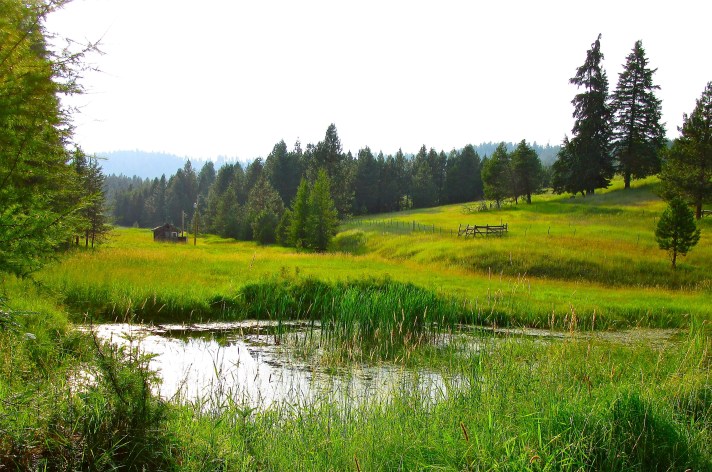
In its strictest sense of “full” lexical distribution, Proto-Uralic had few deciduous trees: So the bird-cherry would have been a primary source of fruit besides *mura ‘cloudberry’. Bird-cherry trees prefer the moist, well-drained soil alongside rivers, and so they would have been an abundant natural source of shelter for nautical, riparian traders in the Helleno-Uralic zone.
The polysemy ‘to go, visit’ identified by Aikio in U *elä- allows an unproblematic comparison with H ‘to go’. Re: H ‘to visit’, this value may be reflected by the nominal modern Pontic form έλα ‘visit / επίσκεψη, ερχομός’, although this is derivationally ambiguous, and could instead suggest ‘visit’ as a secondary development from ‘coming’. Standard Modern Greek preserves the verb in the 2SG and 2PL IMP forms έλα ‘come’ and ελάτε, respectively. This etymon requires that U ‘to live’ developed as a secondary value, perhaps in the context of the lifestyles of riparian warrior-traders.
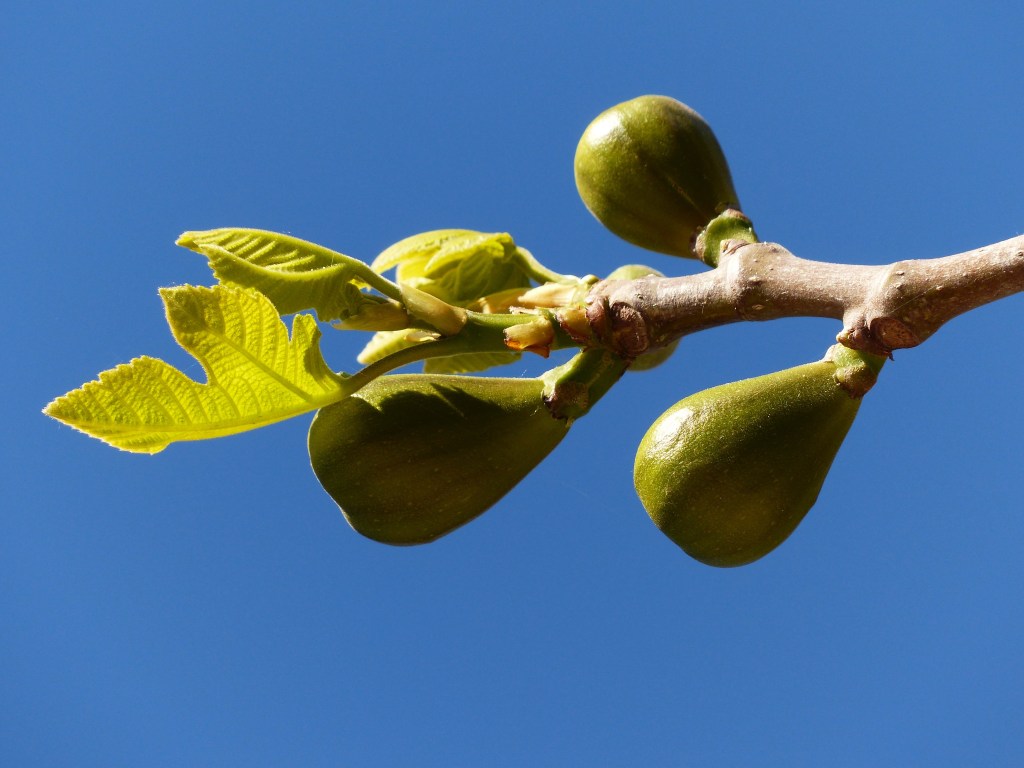
7. ksúlon ‘wooden spoon’ H ξύλον ‘piece of wood; spoon (made of fig wood)’ (LSJ) > U *ćulə ~ *śulɜ ‘vessel’ (UEW)
Cf. Es. ‘trough’; P ‘long, round, small wooden trough into which… flour is sifted’, ‘long bowl’; Sy. ‘spoon’, ‘trough-like vessel’.
H ξύλον has been attested with many semantic values which stem from a meaning ‘wood’, including ‘beam, log, piece of wood, post, stake, timber; bench, table; collar, gallows, stocks’, and others. It is clear that ξύλον was a productive term to refer to wooden materials, such as ‘(wooden) spoon’ in the Greater Hippias of Plato. This text also uses the word τορύνη ‘ladle’ (FEG) in the same comparison of a golden versus wooden spoon for soup. The value ‘ladle’ may help to bridge the semantic range of U ‘trough’, ‘bowl’, and ‘spoon’.
From the Classical Greek value ‘ladle, spoon’, it may be inferred that this meaning already existed in the Gelonian dialect. In this sense, the Samoyedic branch would best reflect the original semantics, with a secondary development in Finno-Permic to ‘trough’. However, it may instead be that ‘trough’ had already developed in Gelonian Greek, given the wide array of meanings that can be assigned to H ξύλον; and that Enets likewise attests ‘trough-like vessel’ – although this value is found neither in Selkup nor Nganasan, which do not form an exclusive taxonomic grouping.
8. kuklé- ‘to travel (downstream), wander about’ H κυκλέω ‘to quest about’ ~ κυκλεύω ‘to travel, traverse’ > U *kulke- ‘to be on the move’ (UEW)
The earlier proposal of U *kulke- < IE *kwelh1- is no longer supported (see Holopainen 2021).
It is necessary here to list some of the reflexes of U *kulke-, as they provide semantic context: Finnish kulke- ‘to go, wander, travel, move’; Saami L kålˈkå- ‘to flow; to roam, wander’, N gǫlˈgâ- ‘to float (with the current), roam, wander about’; Komi S ki̮lal- ‘to drift downstream’; Nenets O χūlā- ‘driven by the current’, Selkup Ta quri̮- ‘to carry (the current)’,? Kamassian kål- ‘to wander’
Across these reflexes, there is a wide distribution of semantics aligning with ‘to wander (about)’ and ‘to float, flow (with the current)’. Although not precedented by H κυκλέω, it appears that U *kulke- would have originally referred to waterborne travel downstream, which can be imagined as one of the fastest modes of transport that would have been available in the Helleno-Uralic zone. It is not clear whether HU kuklé- should be viewed as semantically contrastive from elá-; nor if H κυκλέω or κυκλεύω should formally be viewed as the source term into Uralic.
On the cluster metathesis H *-kl- > U *-lk-, there is no clear evidence of obstruent-sonorant clusters in Proto-Uralic (Aikio 2022): So U *-lk-would have been a phonotactically abundant substitution.
9. múskhǣ ‘bay, bend, corner, creek: riverbend’ H *μύσχη (μύσχαι) ~ μυχός ‘bay, bend (of the shore), corner, creek’ > U *muchka / *mučka ‘bend, curve (of a river)’ (UEW)
If any etymon could be considered the foundational term of HU contact, it would be múskhǣ. This term presents an especially detailed polysemy with S mok’ke ‘bay, bend, corner, creek’ (KK 36245). H ‘riverbend’ is not directly attested, but is reconstructed based on ‘bend’ + ‘bay, creek’: Thus ‘river’ as the connecting body of water between a bay and a creek.
The archaic sibilance of H *μύσχη vs. μυχός seems to have still been continued until μύσχαι ‘μυχαί’ (Hsch.); but Hesychius does not provide an entry for μυχαί. In any case, it can be understood as the plural of μυχή, which was simply an alternative form of μυχός. It is presumed that Gelonian Greek preserved the medial sibilance. The correspondence H -sK- > U *-chk- is corroborated by several etyma, such as HU phúskǣ ‘animal guts’ > *puchkv, and HFMd. káskhe- ‘to cover up’ > *kächke-.
10. ókhtha ~ ókhthǣ ~ ókhthos ‘riverbank > land route along a river’ H ὄχθα ‘river-bank, sea-cliff’ (ES) ~ ὄχθη ‘bank of a river’ (LSJ), ‘raised banks of a river’ (ML) ~ ὄχθος ‘bank, hill’ (LSJ) > U *uktə ~ *ukti ‘passage, way’ (Aikio forthcoming) ~ *utka ‘track, trail’ (UEW)
Cf. F (*uktV- >) ‘component of hydronyms connected with narrow land passages between water routes’*; Kh. (*ɔ̄ɣǝt >) ‘isthmus between two lakes or rivers over which boats are hauled’; Mn. (*ī̮kǝt ~ *ī̮ktǝ >) ‘anabranch, strait between two lakes’; Hu. út ‘road, way’; Sy. (*utǝ̑ ~ *ut >) ‘road, way’, ‘track’.
The semantics of U *ukti are very similar to that of *mvtka ‘way’, which could also be reconstructed with an original meaning ‘detour’ (Aikio 2015b: 14). Both terms in their reflexes refer to not only a general land path, but also an isthmus or similar land formation used as a portage, as well as a side channel or anabranch. It could be reasoned that U *ukti was likewise a detour or bypass, wherever a river could have been more easily traveled along the banks instead of its primary nautical course. In both *ukti and *mvtka, the semantics ‘anabranch, strait’ are restricted to Ob-Ugric: So this may have been a secondary development from ‘detour’ for terms that originally referred to land routes, where the main course of a river in the Ugric sprachbund was not as navigable as its anabranch.
*Paraphrased from the original text
11. orgás ‘fertile meadow in a forested river valley’ H ὀργάς ‘clearing, uninhabited area of forests, any well-watered, fertile spot of land, meadow-land, partially wooded, with or without cultivated fields’ (LSJ), ‘a moist, well-watered, lushly fertile area, marshland… esp. floodplain, pasture’ (GP), ‘bushy and mountainous place’ (Hsch.) > FU *orka(w) ~ *orko ‘riverbed, valley’ (Aikio forthcoming) ~ *orkɜ ‘depression, flat valley, river valley’ (UEW)
Cf. S (*oarkō >) ‘valley with pine and birch forest’; F (*orko >) ‘small, damp, forested valley; gully, ravine’, ‘lowland; dense forest, thicket’, ‘valley’, ‘depression in terrain’; P (*u̇r >) ‘riverbed’; Mn. (*ī̮ɣrak >) ‘steep riverbank’ (Aikio forthcoming). Note here also the previously unetymologized Ma. orgáž / оргаж ‘brushwood, thicket’ (MED) – this may however be a later loan, given its final sibilance.
The semantics of HFU orgás require an interesting confluence of natural features: A tract of land where the forest, water, and mountains were all in its immediate vicinity. It is unclear whether or not this land would have been used for agriculture (i.e. “with or without cultivated fields”), although Herodotus does describe the Gelonian Greeks as agriculturalists. It is also unclear how this term might be related to e.g. HFU áros ‘flood meadow’ and áza ‘dry land’, which can each likewise refer to riparian meadows in their Hellenic and/or Uralic semantic reflexes. It is assumed that there must have been a topographical contrast of these etyma in the Gelonian dialect which required multiple terms: At the very least, orgás is unique for its reference to local woods and mountains.
H -ás / -άς is not well-documented in HU etyma (although FU non-sibilance is expected here); and Aikio’s reconstruction of a secondary *-o (vs. *-aw) here is without explanation: FU *orka(w) may be equally suitable. One might posit that S *oarkō was borrowed from F *orko, for which S *oa- and *-ō were both regular substitutions.
12. póros ‘bridge, ferry, river passage’ H πόρος ‘bridge, ferry, river passage’ > FU *pora ‘raft, float’ (UEW)
Most of the Uralic reflexes generally refer to a wooden beam raft or ferry, but more semantic value might be found in S N boar’re ‘logs placed together to form a primitive bridge over a river or a lake’.
The earliest HU loans do not seem to have substituted H -os with FP *-vsh / *-əš, which may imply that Samic and Mari had not yet diverged as unique branches: Contrast e.g. HS+Ma. kormós ‘piece of log’ > *kolməš ‘tree bark’.
The psoros fish is discussed in Book 7 of the Deipnosophistae by Athenaeus of Naucratis. This ambiguous fish is summarized among the “Melanouros”, or black-tailed fish (see Olson 2006: 469): “Speusippus… claims that what is referred as psuros resembles the melanouros. Numenius refers to the fish as a psoros… or saupes or a shore-hugging weever-fish.”
Similarities between the pike and weever include black-striped tails, long bodies, and being ambush predators. However, their faces are of different shapes; and the weever is unique for its venomous spines on its first dorsal fin. Also, the term melanouros / μελάνουρος (LSJ) referred to the saddled seabream (as does the modern Greek form μελανούρι), which bears little resemblance to either the pike or weever. Still, the approximation of the weever to the pike during Helleno-Uralic contact could have been due to a limited distribution of the pike in Greece, where today it is known as the “river barracuda” / λούτσος των ποταμών or “freshwater barracuda” / λούτσος του γλυκού νερού – with λούτσος (GML) being a loan from Venetian.
Interestingly, HFU psóros is restricted to Permic and Ob-Ugric, much as HFU skáphǣ ‘boat’. It is unclear if these terms could have been synchronous in some type of Permic-Ugric sprachbund (see the reconstructional discussion of HFU psŷksis).
14. psŷksis ‘cooling weather > autumn’ H ψῦξις ‘a chilling, cooling (from e.g. snow), becoming cold’ > FU *ćükći ~ *sükśe ‘autumn’ (UEW)
Cf. H psŷkhos / ψῦχος ‘cold, cold weather, coolness, frost, winter-time’ (LSJ) and ψύχω ‘to blow, grow cool or dry (of e.g. wind), refresh’ (LSJ). Hesychius defines ψῦξις as “πνοή”, which generally means ‘breath, breeze’ (LSJ), but in his own words as “ἀνάψυξις” ‘cooling, drying up, relief, respite’ (LSJ), which is then defined as “ἀνάπαυσις” ‘repose, rest (from a thing); cadence of a period’ (LSJ), for which he provides no entry.
It seems likely that HFU psŷksis was simply the Gelonian dialectal term for ‘autumn’: Much as the closely related term ψῦχος described cold weather, frost, and winter, ψῦξις could describe becoming cold from the snow. A similar word formation and semantic development of a term for a season can be seen in Η ánoiksis / ἄνοιξις ‘opening’ (LSJ) > Greek ániksi / άνοιξη ‘springtime’, where an action noun evolved to mean a period of time. Therefore, autumn in the Helleno-Uralic zone was noted by the seasonal arrival of cold (and dry?) air and precipitation. Although modern climate data can not necessarily be informative of ancient weather, cities located along the Volga-Kama (e.g. Kazan) all show a sudden drop in temperature, and increase in snowy days, in the month of October. The early arrival of cold weather and snow might have allowed for a semantic association with ‘autumn’ rather than ‘winter’ for the Gelonians, who originated from far to the southwest of the Ananyino horizon.
FU *ćükći ~ *sükśe is notoriously difficult to reconstruct. The common perspective on the initial consonantism seems to be that the branch reflexes which would reflect an original palatal FU *ć/ś- (S *čëkčë, Md. *śokś, Kh. *söɣəs) could be explained as a subsequent assimilation to the secondary sibilant, whereas P *siźïl, Mn. *tüks, and Hu. ősz would reflect an original plain sibilant *s-. There is, however, no preconceived phylogenetic or areal grouping that could explain how only the Samic, Mordvinic, and Khanty branches reflect this innovation: So these assimilations must be treated as separate events in order for an original FU *s- to be supported. From my view, the Permic, Mansi, and Hungarian branches could be a more likely areal grouping for a secondary dissimilation from an original FU *ćükći, since the core zones of these three branches were previously neighbors (see Saarikivi 2022: Map 2.8). Furthermore, P *siźïl is not regular in its initial vocalism, which should rather be **ú than *i here. If the Permic form were rather a later loan from e.g. Finnic (F *süksü ~ *sügüs > Fi. syksy ~ syys, Es. sügis), then only the Mansi and Hungarian reflexes would require an original *s-, which would be easier to explain as an innovation in the western Ugric sprachbund, rather than to posit a shared innovation between Samic and Khanty.
15. sákkos ‘sieve’ H σάκκος ‘sack, sieve’ > U *sokkə-ta- ‘to sieve’ ~ *sokta- ‘to stir, mix’ (UEW)
Cf. Md.+Ma. ‘to sieve’, Selkup ‘to mix, stir’.
The UEW describes a Finno-Volgaic semantic shift ‘to stir by shaking’ > ‘to sieve’, but this is only to presume the Narym Selkup value ‘to stir’ is original, even though the primary semantic value across the Selkup dialects is clearly ‘to mix’. The Finno-Volgaic value ‘to sieve’ should instead be viewed as original, with Selkup ‘to mix’ as secondary.
16. sargíon ~ sargînos ~ sargós ‘type of schooling fish’ H σαργίον ~ σαργῖνος ‘type of schooling fish’ ~ σαργός ‘white seabream’ > FU *särki ‘roach: Rutilus rutilus’ (Aikio 2015) ~ *särkä ‘a species of fish’ (UEW)
Although this is the only current reconstruction of a specific type of fish in Helleno-Uralic theory, there are only three fish species reconstructed to Proto-Uralic itself (Aikio 2022). The two HU fish species do not match, but the general commonality between the white seabream and the roach fish is that they are both small, silver schooling or shoaling fish.
Aikio’s more recent potential recontruction *särki could complement a similar proposed U deletion of final syllabism in HU trisyllabic etyma, such as HFU keiríǣ ‘swathe’ > *keri ‘bark, bast’ and HFP koníæ ‘ash, lye’ > *koni, allowing the consideration of HU sargíon ~ sargînos > *särki.
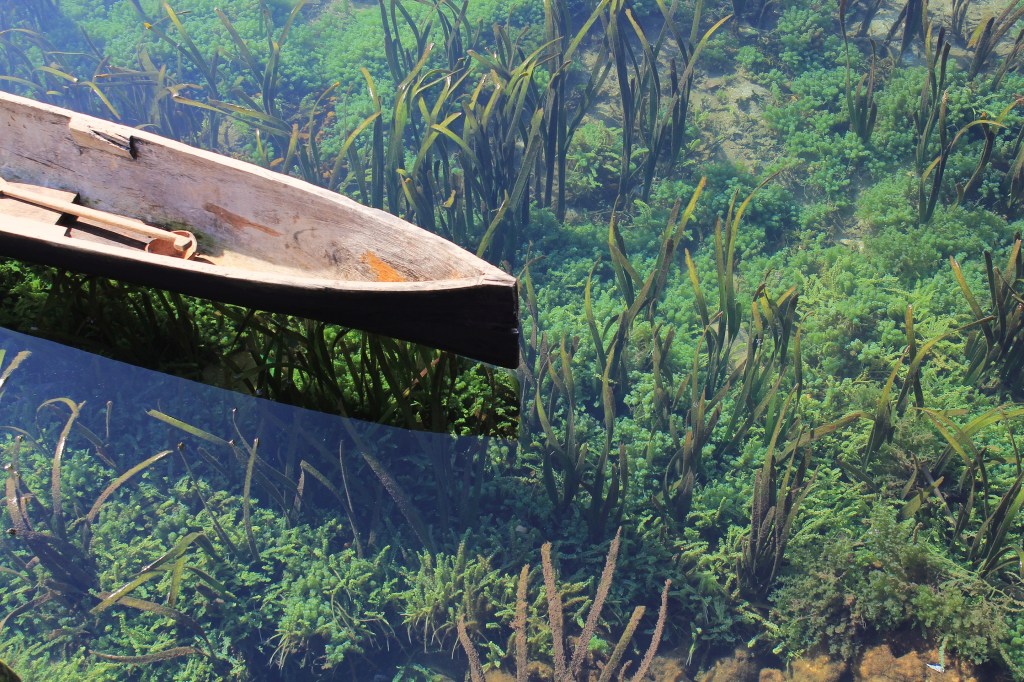
17. skáphǣ ‘small boat, trough: dugout canoe’ H σκάφη ‘small boat, trough’ > FU *kappv ~ *kappɜ ‘processable wood: poplar, aspen, fir’ (UEW) > Ud. ‘tree trunk, trough at a well’; Kh. ‘aspen, boat’, Mn. ‘fir, poplar, boat’
While this etymon formally has a Finno-Ugric distribution, reflexes are only found in Permic and Ob-Ugric. It is unclear whether this should be interpreted as an archaic retention that was lost from other branches, or if Permic and Ob-Ugric rather had an areal proximity prior to Ugro-Samoyedic dispersal from the FP sprachbund. While the UEW defines FU *kappv as a general term for wood that can be processed, Udmurt and Ob-Ugric each reflex ‘trough’ and ‘boat’ respectively, which fits perfectly with the H polysemy. The independent P+Ob Ug. dendronyms should instead be viewed as secondary developments from a popular material terminology for “single-tree” products, namely dugout wooden vessels. In an early HU riparian context, HFU skáphǣ could primarily be viewed as a dugout canoe that was used on the Kama and its relevant tributaries, such as the Chusovaya.
The exact definition of HFU zôma is difficult due to polysemy. As with HU kuklé-, it is necessary to review the semantic reflexes of the individual Uralic branches for a better overview: S ‘fish skin, scale’; F ‘scale’; Md. ‘money’; Ma. ‘scale; peel, skin’; P ‘scale; money’; Kh. ‘scale; money’; Mn. ‘scale, crust, bark’.
It is undeniable that the meaning ‘scale’ must be reconstructed, as it appears in all branches except for Mordvinic. However, the additional semantics ‘skin’ and ‘money’ should not be discounted, as each are present in at least two branches without a known taxonomical affinity. The Khanty reflex ‘money’ is described as a “secret word” that can not be original according to Aikio, but we are still left with Permic to fortify this semantic value, which allows at least FP distribution in a FU etymon.
There is a complex of related Greek terms, which describe similar items, that I wish to semantically factor into the ultimate reconstruction of HFU zôma: ζῶμα ‘apron made of leather or felt extending from the flank to upper thigh for defense, band, covering, garment, girdle, lower part of the θώραξ, through which the ζωστήρ passed’, θώραξ ‘coat of mail, scale armor, shed snake skin; bandage for the chest, cuirass’, ζωστήρ ‘warrior’s belt made of leather and covered with metal plates’; and further ζῶμα = ζώνη ‘belt, girdle, girdle-money: belt used as a purse’.
From this set of terms, the semantics ‘scale armor; animal skin, leather’, and also perhaps ‘money’, can be compared to FU ‘scale; skin;? money’. However, ‘money’ must also be viewed as uncertain from the H etyma, as its description is by association with the girdle itself. There might also be a more general value ‘covering’ that could be inferred from e.g. Ma. ‘peel’ and Mn. ‘crust, bark’ when compared with H ‘band, belt, covering, girdle’, but these individual values are not mutual enough to be informative. We therefore get HFU zôma ‘scale armor; animal skin;? money’. This term would have mostly continued as ‘fish scale’ into the Uralic branches, due to their riparian locations. Again, the meaning ‘scale armor’ may have been contextual to riparian Helleno-Uralic warrior-traders.
++++
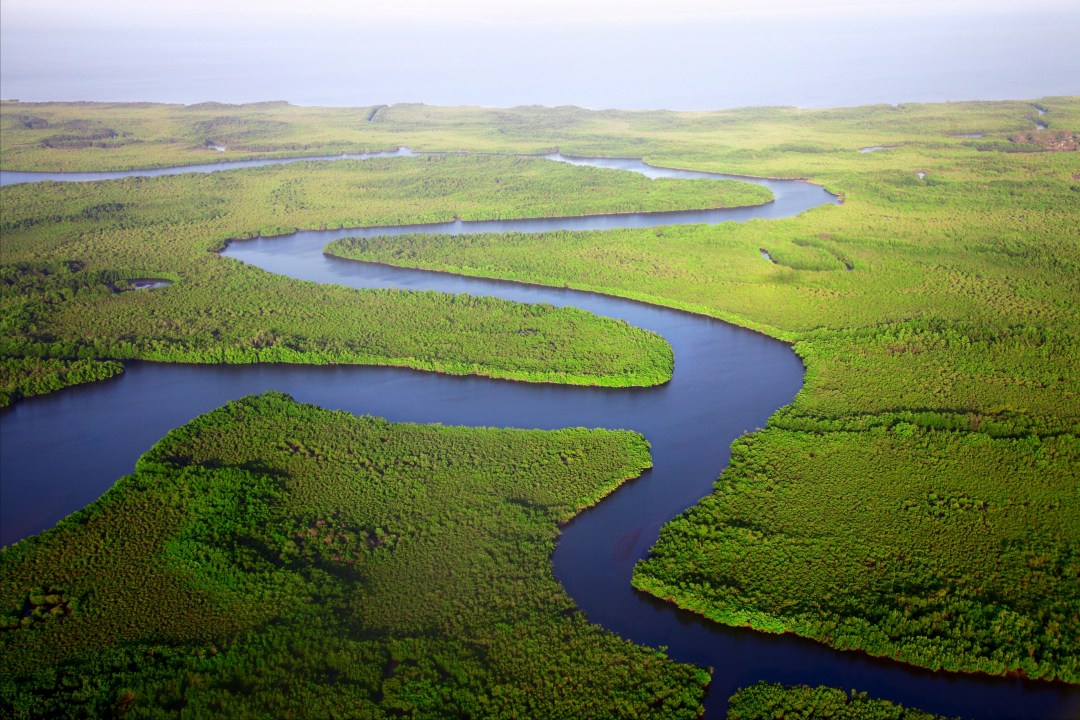
What can be concluded from these oldest Helleno-Uralic etyma is that both Archaic Hellenic and Uralic speakers would have been mutually familiar with local riparian zones, and their relevant features such as trees, animals, and nautical materials. From a riparian basis, further developments of cultural affinity would have organically evolved through sustained contact. In addition, speakers of Gelonian Greek and Archaic Uralic shared methods of food preparation.
Before we review the latest of the Finngreek language, I’d like to give an update on the status of Helleno-Uralic research. I am still revising “Helleno-Uralic Contact in the 1st Millennium BCE” for its eventual publication. This has been a much longer process than I had anticipated, but I am admittedly a slow worker. In addition, I will prioritize more of my time to making videos on social media, which I will post more about here upon their release. I hope you all will enjoy this new content! However, it also means that the finalization of my paper will continue to be a slow process. I appreciate the patience you all have had in waiting for its completion.
With that being said, let’s learn some new Finngreek!
The Uralic lemma here can not be clearly reconstructed (Aikio 2012: 243), with proposals including *kuse ~ *kose (UEW), *koγsi (Zhivlov 2014: 139), and *kowsi (Aikio 2022: 23). This environ is phonologically similar to FU *owδ’is̆ < aûthis and FMd. *kowma < kaûma; but the ambiguity of U *kVwsV leaves room for vocalic interpretation of the H source term. This etymon will need to be revisited in future research, since the initial U vocalic reflexes of *owδ’is̆ and *kVwsV do not parallel each other (and *kowma is not informative beyond Finno-Mordvinic).
There is no HU paradigm for a trisyllabic etymon at the Proto-Uralic chronological depth, which may explain a syllable-final elision. It is perhaps worth consideration that loaning occurred from a related dialectal form of e.g. H καῦσις ‘burning’ ~ καῦσος ‘lands fertilized by burning brushwood’ (LSJ), but this is not semantically parsimonious. Also, while HU kaúsima is etymologically related to HFMd. kaûma, it is unclear whether these terms had a cultural relationship during HU contact, or if they were used in mutually exclusive contexts.
In any case, this etymon aligns semantically with other proposed HU dendronymic developments, where popular material terminology resulted in the name for a type of tree, as in HU dôma ‘bird cherry < house’, HFP tomǣ́ ‘oak < timber’, and HP+Ug. skáphǣ ‘poplar < canoe; trough’. HU kaúsima ‘fir, spruce < firewood’ therefore implies that fir and spruce trees were designated for use as firewood in Gelonian Greek. H καύσιμος has been used to describe combustible wood in ancient Greek; and its derived noun καύσιμο refers to ‘fuel’ in modern Greek, as a semantic loan from French carburant.
khórtos ‘horsetail < green fodder’ F korte ‘horsetail’ < *kort’ëh < FV *korttəš < H χόρτος ‘green fodder’
Probably cognate with Mari kə́rtəš / кы́ртыш ‘type of grass’. Horsetail, especially water horsetail / Järvikorte, was historically used as fodder for horses, cattle, and pigs in Finland. The plant is also a popular food for deer. However, it is unclear which animal(s) would have been provided such fodder during HU contact, or if the original plant was in fact horsetail.
The semantic value ‘to release’ here is not explicitly attested, but is reconstructed per Ma. ‘winnowing’, Ud. ‘to throw out’, F + Ms. ‘to give birth (too early)’, and H ‘= ἐνδίδωμι (LSJ): to disembogue, empty itself (of a river)’. There may also be a contextualization of this etymon to the tension of cables, as seen in intra-Hellenic and intra-Uralic derivations such as H λογγάσια ‘stones with holes in them, through which mooring cables were passed’ (LSJ, GML) < λογγάζω ‘; and FMd. loŋe-ma ‘warp thread’ (UEW).
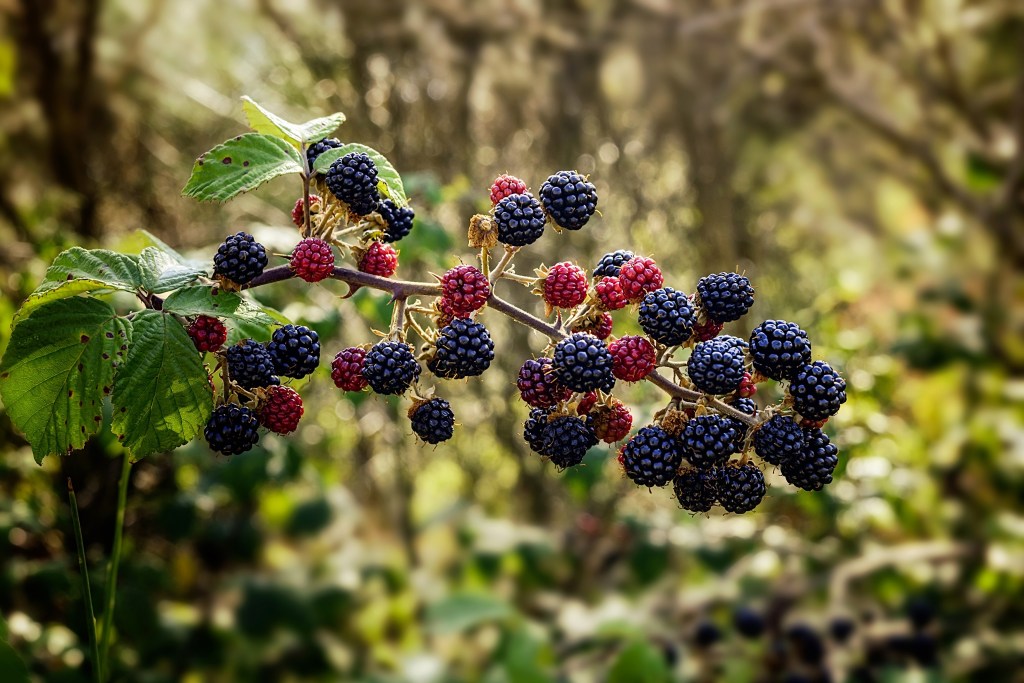
The F forms were previously considered to have been derived from F vata ‘chickweed’ (SES), but the latter may have been a loan from a source akin to Swedish våtarv ‘chickweed’; and I argue that there is not a similarity between the chickweed and bramble to assume an etymological derivation: Among other typological disparities, chickweed does not bear a similar or even significant fruit, which is the primary use of brambles such as blackberry and raspberry.
F vattu is described as a back-formation from vatukka, but it is also possible that vatukka was a typical formation from vattu, or even a hypothetical **vatta/o/e/i. It is also worth consideration that a lost noun *vata ‘bramble’ could have been semantically replaced by ‘chickweed’, due to existing derivations such as vatukka, which filled in the semantic gap. Similar terms such as F vaapukka, vaarain, and vadelma ‘raspberry’ (SES) all present unclear or irregular phonological environs, and so must be excluded from this proposal until they can be independently etymologized.

























 Finngreek